
Mastering Jumping Rules in Dungeons & Dragons
Jumping in Dungeons & Dragons can be tricky, but understanding the rules can enhance gameplay. Learn about long jumps, high jumps, and the effects of strength and movement on jumping.
Understanding the Basics of Jumping
Jumping in Dungeons & Dragons (DND) can sometimes feel like a mini-game of its own, with rules that often send me flipping through the Player's Handbook. The key to mastering these rules is understanding the different types of jumps: long jumps and high jumps. Each has its own set of guidelines that can affect how I navigate obstacles and terrain in the game.
Long Jumps: Covering Distance
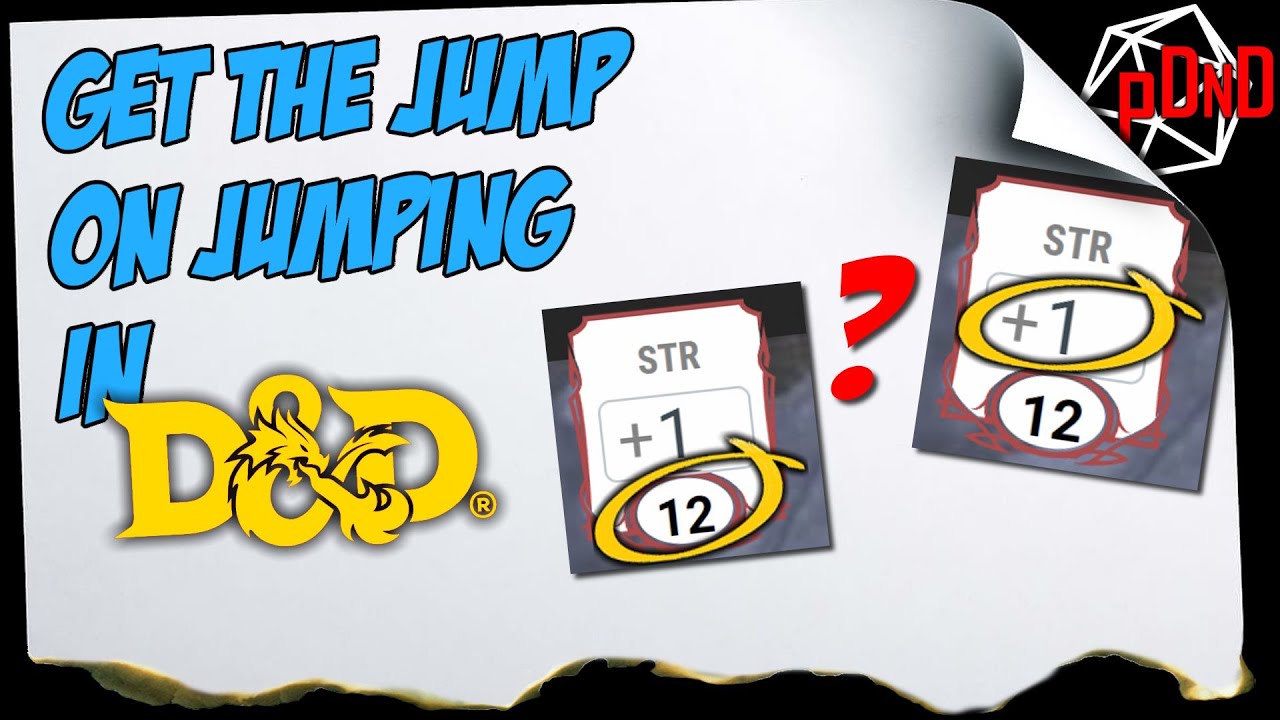
When it comes to long jumps, the distance I can cover is primarily determined by my character's Strength score. The formula is straightforward: I can jump a number of feet up to my Strength score if I get a 10-foot running start. Without the running start, I can only jump half that distance. This rule is crucial when planning moves across chasms or gaps, ensuring I can make the leap without falling short.
High Jumps: Reaching New Heights
High jumps are a bit different. With a 10-foot running start, I can leap into the air a number of feet equal to 3 + my Strength modifier. If I don't have a running start, I can only jump half that height. This is particularly useful when trying to reach ledges or grab onto something above me. Remembering these numbers helps me plan my actions more effectively during gameplay.
Movement and Jumping: The Fine Print
One important aspect of jumping in DND is how it interacts with movement. Any distance I jump is subtracted from my total movement for the turn. This means I need to be strategic about when and how I use my jumps, especially in combat situations where every foot of movement counts. Additionally, certain spells or abilities might modify these rules, so it's always worth checking my character's specific traits.